


Why EVs Cant BE That Effective In Saving Our Planet
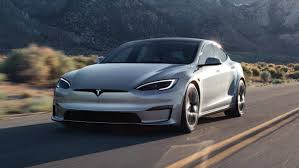
EVs today make up a small share of personal vehicles in the US, and researchers have estimated that gas-powered vehicles will continue to be sold into the 2040s. Even if 100 percent of new cars sold this year were EVs (rather than 22 percent), it would take until the late 2030s, at the earliest, for all vehicles on the road to be electric. Given that even California is going to allow the sale of gas-powered vehicles up to 2035, real-world latency will likely persist for significantly longer.
Tailpipe emissions are only one of the ways that private vehicles commute. Particulate matter released from tires, brakes, and road dust are also a major source of pollution — and while EVs don’t have tailpipes, they do have tires and brakes.
Similarly, EVs still need to get their energy from somewhere. Most EVs have large lithium-ion batteries, which have an intense manufacturing process. The mining of lithium, cobalt and nickel requires a huge amount of water and can produce toxic waste. Fossil fuels are used in the manufacturing process to heat the raw minerals to very high temperatures. As a result, building an EV “can produce around 80% more emissions than building a comparable gas-powered car.”
برای طراحان رایانه ای علی الخصوص طراحان خلاقی و فرهنگ پیشرو در زبان فارسی ایجاد کرد. در این صورت می توان امید داشت که تمام و دشواری موجود در ارائه راهکارها و شرایط سخت تایپ به پایان رسد
لورم ایپسوم متن ساختگی با تولید سادگی نامفهوم از صنعت چاپ و با استفاده از طراحان گرافیک است.